Smart Watch Buying Guide: Features That Actually Matter (2026)
Smartwatches have come a long way — but with dozens of options across every price point, it's easy to overpay for features you'll never use or underbuy and feel the limitations fast. This guide cuts through the noise so you can choose with confidence.
1. Start With Your Ecosystem
Your phone determines which smartwatches will work best for you:
- iPhone users — Apple Watch offers the deepest integration, but many Android-based watches work with iOS in a limited capacity
- Android users — Wear OS (Google), Samsung Galaxy watches, and most third-party watches work seamlessly
- Platform-agnostic — Garmin, Fitbit, and many fitness-focused watches work well with both iOS and Android
Tip: Always check compatibility before buying. Some features (like cellular calls or full notification replies) only work with specific phone/OS combinations.
2. Display Types
| Display | Pros | Cons |
|---|---|---|
| AMOLED | Vivid colors, deep blacks, always-on option | Higher battery drain |
| LCD | Bright in sunlight, lower cost | Less contrast, thicker |
| MIP (Memory-in-Pixel) | Excellent battery life, readable in sun | Lower resolution, less vibrant |
| E-ink | Weeks of battery life | Slow refresh, limited interactivity |
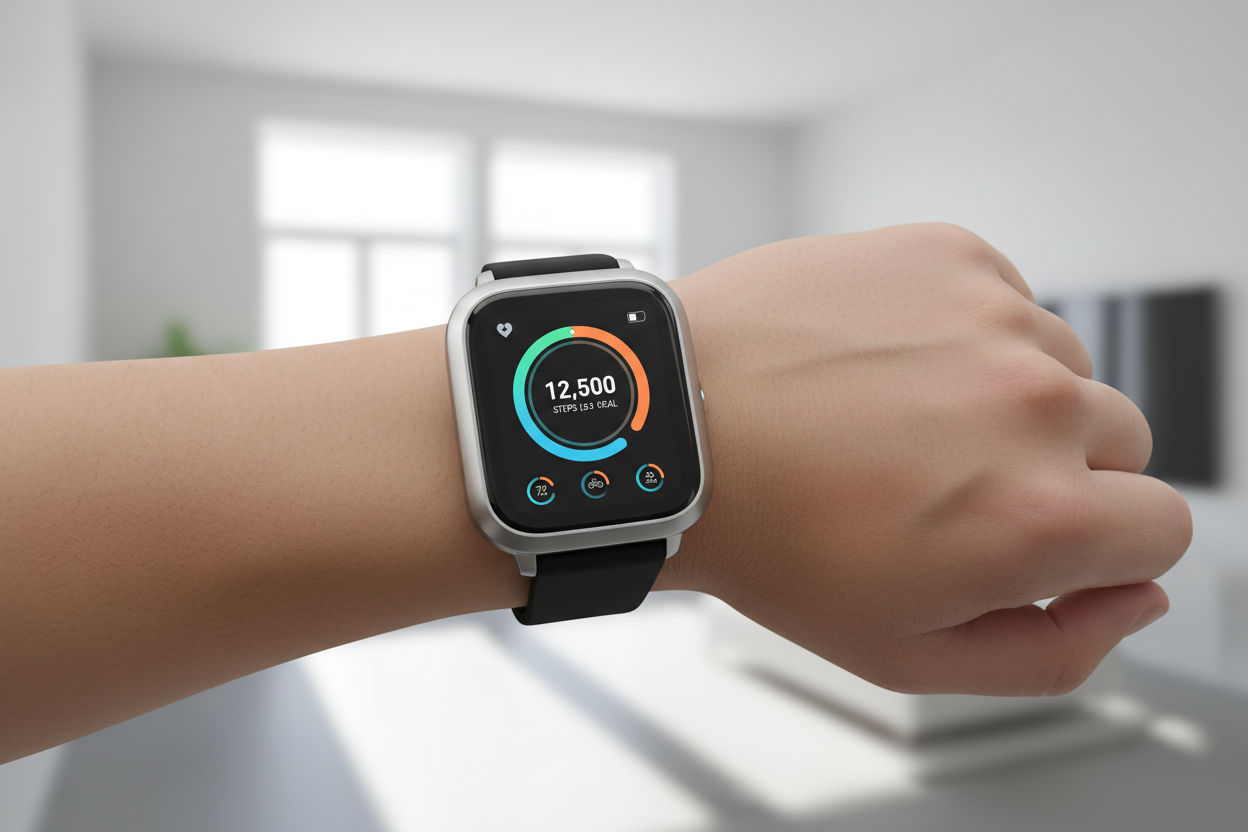
For everyday use, AMOLED is the sweet spot. For outdoor/fitness use, MIP displays (used by Garmin) are hard to beat.
3. Health & Fitness Features
Decide which sensors matter to you:
- Heart rate monitor — standard on virtually all smartwatches now
- SpO2 (blood oxygen) — useful for sleep tracking and altitude awareness
- ECG / EKG — detects irregular heart rhythms; found on premium models
- GPS — essential for runners and cyclists who want accurate route tracking without carrying a phone
- Sleep tracking — most watches offer it; quality varies significantly
- Stress / HRV tracking — increasingly common; useful for recovery monitoring
4. Smart Features
- Notifications — calls, texts, app alerts on your wrist. Nearly universal.
- Voice assistant — Siri, Google Assistant, or Alexa integration
- Contactless payments (NFC) — pay with your wrist at checkout
- Cellular / LTE — make calls and stream music without your phone nearby (requires a data plan add-on)
- App store — Wear OS and Apple Watch have robust app ecosystems; others are more limited
- Music storage — store playlists locally for phone-free workouts
5. Battery Life
Battery life varies dramatically by watch type and usage:
| Watch Type | Typical Battery Life |
|---|---|
| Feature-rich smartwatch (AMOLED, always-on) | 1–2 days |
| Balanced smartwatch | 3–7 days |
| Fitness/GPS watch (MIP display) | 7–21 days |
| Hybrid / minimal smart features | Weeks to months |
If you hate charging daily, prioritize battery life over display quality.
6. Build Quality & Water Resistance
- Case material — aluminum (lightweight, affordable), stainless steel (premium look), titanium (lightest + strongest)
- Glass — Gorilla Glass (durable) vs. sapphire crystal (scratch-resistant, premium)
- Water resistance — look for 5 ATM (50m) or higher for swimming; IP68 is splash/rain resistant only
- Band compatibility — standard lug widths (20mm, 22mm) let you swap bands easily
7. Budget Guide
| Budget | What to Expect |
|---|---|
| Under $100 | Basic fitness tracking, notifications, limited smart features |
| $100–$200 | GPS, SpO2, AMOLED display, NFC payments, solid app support |
| $200–$400 | ECG, cellular option, premium build, advanced health metrics |
| $400+ | Flagship features, titanium/sapphire, best-in-class health tracking |
Ready to Shop?
Browse our smartwatch collection:
- Smart Watches — curated picks from everyday wearables to premium fitness trackers
Not sure which watch fits your lifestyle? Our team is happy to help you find the right match.

Written by Dennis Estelle